Premarital Counselling in London
Getting married soon in London? Before you say I do, let’s talk through the money worries, family expectations, and everyday habits that could quietly strain your marriage later.
What Premarital Marriage Counselling Actually Covers Here
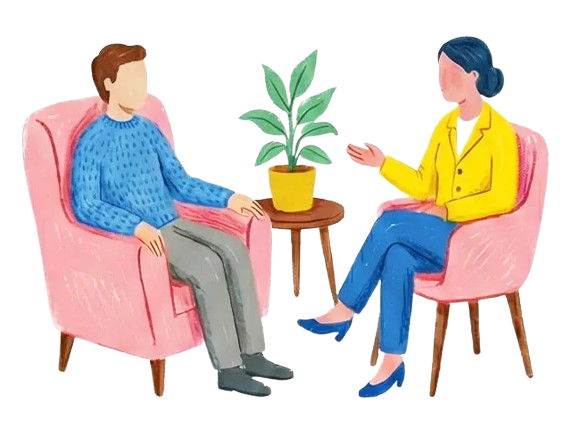
Every couple walks in with different worries. Some want to talk about money before the wedding; others are figuring out in-laws, faith, or where to live. In my sessions, I work through the real issues, not textbook checklists, so you leave with a clearer sense of how you’ll handle disagreements once the rings are on.
- Money & Budgeting
- In-Law Boundaries
- Communication Styles
- Conflict Resolution
- Intimacy & Connection
- Faith & Values
- Family Planning
- Career & Balance
- Trust & Honesty
- Shared Future Goals

Why Couples Seek Premarital Counselling
Marriage brings real change, and talking it through early helps.

Most couples don’t come to me because something’s broken. They come because they want to start married life with open eyes and far fewer surprises later.
- Blended Family Concerns
- Past Relationship Trauma
- Financial Disagreements
- Different Communication Habits
- Cultural Differences
- Long-Distance Adjustment
- Second Marriages
- Religious Differences
- Wedding Stress
- Family Pressure
I’ve worked with engaged and married couples in London for over a decade, and the pattern holds true. Couples who come in early, before the wedding planning takes over, build stronger habits for handling stress together. Premarital counselling gives you that head start, well before problems force the conversation.
How Your Sessions Will Work
Every couple is different, so I don’t run sessions from a script. We meet weekly or fortnightly, in person in London or online, and each conversation builds on the last until you both feel ready for what’s ahead.
The First Conversation
We start with an honest chat about where you both stand right now, what worries you most, and what you’re hoping this counselling will help you sort out.
Working Through the Topics
Each session focuses on one area, whether that’s money, family, or intimacy, so nothing feels rushed, and you actually get real time to say what’s on your mind.
Practical Tools You Can Use
I’ll give you exercises and communication tools you can practise between sessions, so what we talk about here actually shows up in how you handle things at home.
Reviewing Where You Stand
Toward the end, we look back at what’s changed, what still needs work, and how confident you both feel about starting your married life together here in London.
What You'll Actually Take Away From Counselling
Counselling isn’t about fixing something that’s wrong with your relationship right now. It’s about walking into marriage with real tools, honest expectations, and a clearer picture of how you’ll support each other when life gets complicated.
- Better Communication Skills
- Conflict Resolution Tools
- Shared Financial Clarity
- Stronger Emotional Trust
- Realistic Expectations
- Healthy Boundaries
- Deeper Understanding
- Confidence Going Forward
- A Support Plan
- Clearer Shared Goals
What My Clients Say
Read feedback from couples who came to counselling.
Samia Thornton
James Okafor
Priya Chandran
Daniel Osei
Sophie Robertson
Marcus Bennett
What happens in pre-marital counselling?
You and your partner meet with a counsellor to explore communication, finances, family dynamics, and conflict patterns. Sessions are guided conversations, not assessments. The focus is on building mutual understanding and practical skills for married life together.
What is the difference between premarital counselling and couples counselling?
Premarital counselling is proactive, designed for engaged couples preparing for marriage. Couples counselling addresses existing difficulties in an established relationship. Both have real value but serve different purposes at different stages of the relationship.
What to get out of premarital counselling?
Expect clearer expectations, stronger communication habits, and more practical conflict-resolution skills. Most couples also leave feeling more emotionally connected and genuinely confident going into marriage, not just ready for the wedding itself.
What questions are asked at pre-marital counselling?
Questions cover finances, parenting, communication styles, intimacy, values, and family roles. They’re shaped around your specific relationship, not a fixed checklist. The goal is honest discussion and mutual understanding, not finding the right answers.
How long should pre-marital counselling be?
Most couples attend between four and eight sessions, though this varies depending on needs and timeline. Your counsellor will help agree on a structure that fits your situation without any pressure to commit to more than necessary.
What happens during pre-marital counselling?
Sessions are guided conversations in which you explore relationship strengths, work through areas needing attention, and build communication and conflict-resolution skills. What you focus on is shaped by what’s most relevant to your relationship specifically.
What questions do they ask in pre-marital counselling?
Expect questions about how you manage disagreements, your expectations around money and family, your approach to intimacy, and your long-term goals as a couple. The aim is understanding, not assessment. There’s no test to pass.
What To Expect In Your First Session
Your first session is simply a conversation, not an assessment. We talk about what brought you here, what you’re hoping to get out of premarital counselling, and I’ll answer any questions honestly, so you know exactly what to expect before we book anything further together.

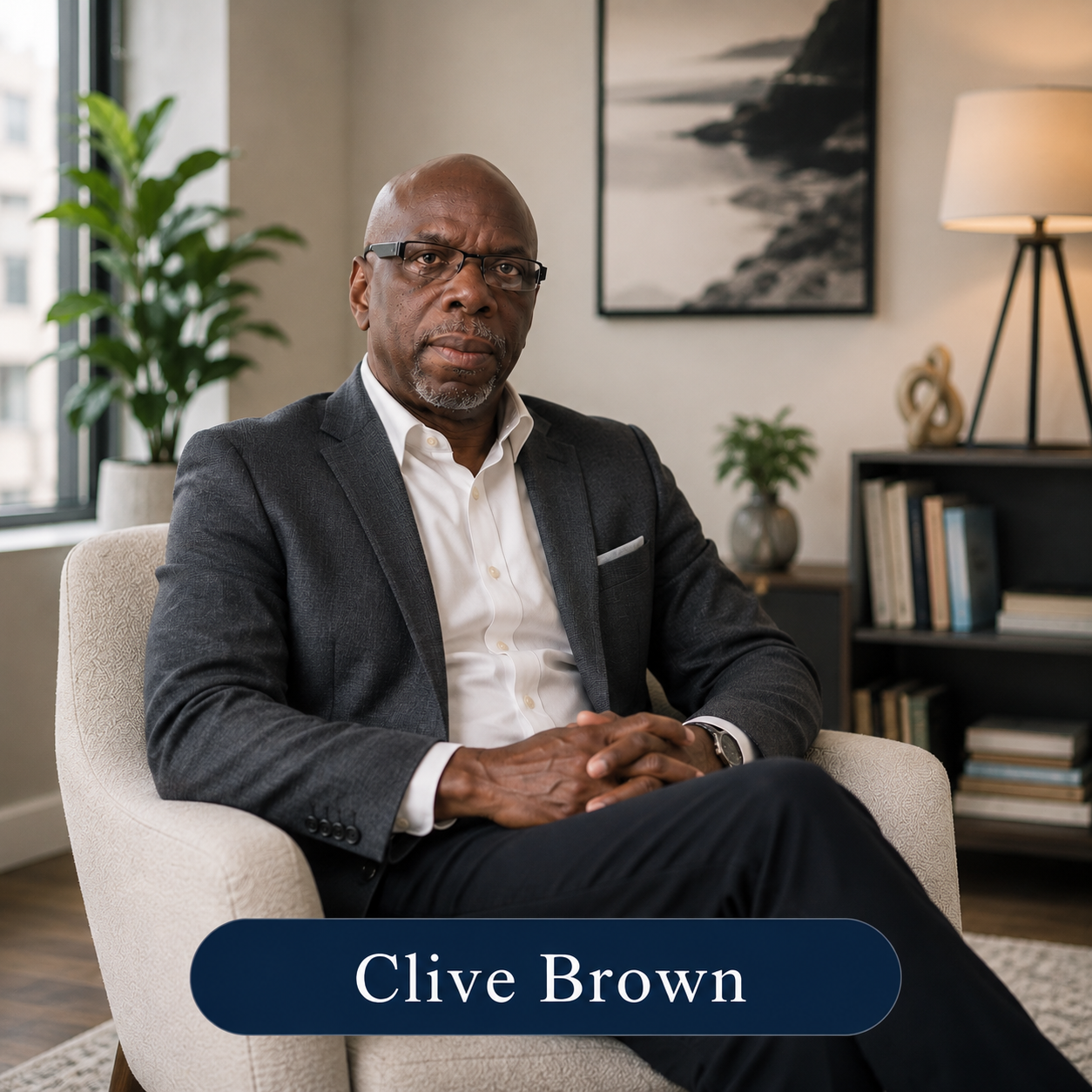
Clive Brown
Meet Clive Brown, Your FAccPH Therapist
I’ve spent 11 years working with couples across London, mostly on the conversations people put off until things start going quietly wrong. As a FAccPH-accredited therapist, I focus on giving you honest, practical guidance, not vague reassurance. You’ll leave each session with something real to work with, not just a passing feeling.
Ready To Feel Like Yourself Again?
Reach out today, and let’s talk about what’s going on and how counselling can help you.