
Bereavement Counselling in Essex
Grief doesn’t follow a timeline, and you shouldn’t face it alone. I offer bereavement counselling services in Essex to help you gently process loss at your own pace.

What is Bereavement Counselling?
Bereavement counselling isn’t about rushing you through stages of grief or telling you how to feel. When we sit down together, I listen first and guide second. Each session of bereavement therapy in Essex is shaped around your story, your loss, and what support actually helps you cope, day by day, without judgment or pressure.
- Safe listening space
- Grief processing support
- Personalised session pace
- Emotional wellbeing focus
- Loss and identity
- Practical coping tools
- Memory and meaning
- Family loss support
- Anticipatory grief help
- Long-term grief care

What Does Grief Actually Feel Like?
Grief shows up differently for everyone, and that’s completely okay.
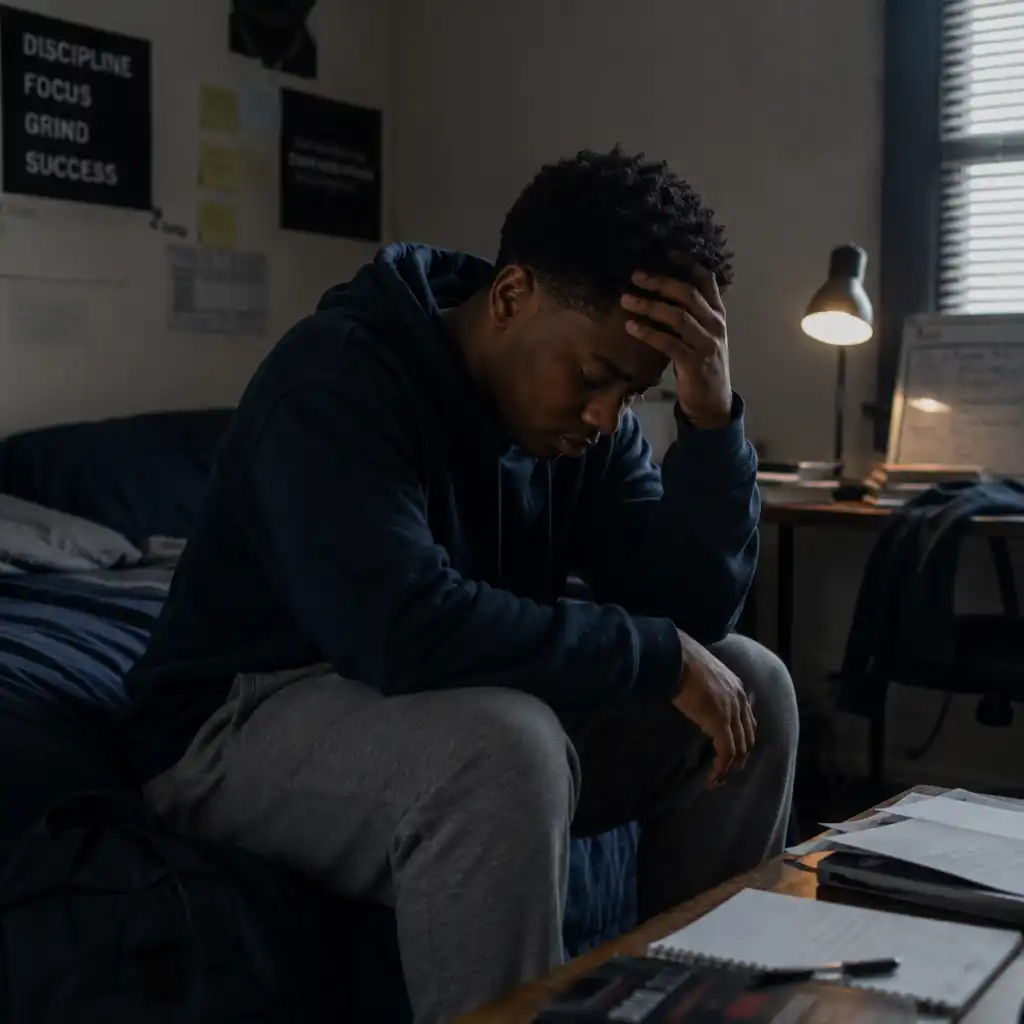
If sadness lingers longer than expected, or daily tasks feel impossible, these could be signs that grief counselling in Essex might help you find steady ground.
- Constant deep sadness
- Trouble sleeping well
- Withdrawal from others
- Anger or guilt
- Numbness or disbelief
- Trouble concentrating daily
- Physical exhaustion signs
- Trouble facing reminders
- Appetite changes noticeable
- Daily struggle to function
You don’t need a diagnosis to reach out. If grief is affecting your work, relationships, or health and emotional wellbeing, that’s reason enough to talk. Bereavement support in Essex gives you a space where none of this feels too much, too soon, or too strange to say out loud here.
How My Sessions Work Here
Every session runs at your pace, not mine. We start with a conversation, not a checklist, then I build a plan around what you’re carrying and what you need to carry it, one step at a time, always.
The First Conversation
In our first meeting, I ask about your loss, your daily life, and what feels hardest right now. There’s no form to fill in, just an honest talk.
Building Your Plan
Once I understand your situation, we can agree on how often to meet and what we’re working toward, whether that’s coping day-to-day or working through deeper pain.
Ongoing Sessions
Each week, we talk through what’s come up since we last met. Some weeks bring progress; others bring setbacks, and both are normal, expected parts of grief.
Moving Forward
There’s no fixed number of sessions. We continue as long as it helps, and when you feel steady enough to stop, we’ll talk about ending things well, too.
The Different Types of Loss I Support
Loss isn’t only about death. It can be the end of a marriage, a friendship, a career, or your health, or emotional wellbeing after diagnosis. Whatever it looks like, Essex Bereavement Support Services meets you exactly there.
- Death of a parent
- Loss of a partner
- Loss of a child
- Death of a sibling
- Pet loss grief
- Divorce and separation
- Job loss grief
- Terminal diagnosis support
- Sudden traumatic loss
- Anticipatory grief support
Trusted by the People
Honest words from people I’ve worked closely with. For those searching further afield, I also serve clients looking for grief therapy in London, alongside my Essex-based practice.
EXCELLENT Based on 12 reviews
 Posted on Google
 Siya PoswaThank you Clive for your support during a very difficult time in my life. You have helped to bring me comfort and clarity going forward.Posted on Google
 Ricco DeanI have completed 6 therapy sessions with Clive over a few months and highly recommend! Clive has shown empathy, understanding and a wealth of knowledge in the many topics spoken about. Clive has also been very flexible and accommodating with session dates and times. I would love to continue working with Clive as I have already learnt so much about myself. Thank you ClivePosted on Google
 Barry DenningtonMeeting Clive has been one of the best experiences and one of the most important connections I have made so far in my 45 years . I have learnt so much from him as a mentor and now someone I call a friend . In my opinion he is a man of patience, intelligence and wisdom . Thank you Clive for all you have taught me 🙏Posted on Google
 NColeGreat support, easy to talk to and very understanding. Highly recommend for anyone looking for solid guidance.Posted on Google
 AnI’ve been doing counselling with Clive for 6 years now. His advice and guidance have been priceless to me. I appreciate Clive’s time, always available to advise and often at short notice. Clive is always able to put things into perspective, allowing my thought process in circumstances to become rationalised and calm. Thank you so much Clive for continuing to mentor me and always being there to help whenever I’m in need.Posted on Google
 Adidia SaidouProfessional caring counselling services in London. Clive is the best black male therapist I know.Posted on Google
 Aviya Siju AbrahamWhere do I even start, I started counselling about 2 years ago when I was going through a very troubling time. I didn't know where to go to find good christian counsellor and God lead me to Clive and I am forever grateful. Clive has impacted my families life more than words can ever express, he is truly blessed. Starting counselling with Clive was one of the best decision I could have ever made, and I would recommend him to all. No matter your age, gender or ethnicity Clive's ability to help guide and counsel you through any difficult time is unmatched. Thank you Clive!Posted on Google
 Karl MakwavararaI highly recommend Urise counseling service for their exceptional support in my journey of growth as a husband, father, brother and a son. Clive is compassionate, understanding, and provides invaluable guidance that has made a significant positive impact on my mental health. I'm truly grateful for his expertise and commitment to making a difference in people's lives.Posted on Google
 Nisha SMy partner and I have been doing couples counselling with Clive for the past few months. He puts us at ease during sessions with patience and empathy, asking questions and using techniques to challenge our views and see things from each other's perspectives. He has been flexible with booking, which we often haven't found with previous counsellors. He has helped us both during a difficult time and we would highly recommend him as a counsellor!
What type of counselling is best for bereavement?
Person-centred bereavement counselling tends to work best, since it lets you process loss at your own pace rather than following a fixed programme. Sessions draw on proven talking therapy approaches, adapted to your specific loss, personality, and what you need most right now.
How much does bereavement counselling cost?
Fees depend on session length and format, whether online or in person. Get in touch for current rates and available packages. We’ll also discuss a realistic number of sessions for your situation during your first consultation, with no pressure to commit long-term.
What are the signs you need grief counselling?
Ongoing sadness, guilt, numbness, disrupted sleep, or withdrawal from others months after a loss are common signs. Trouble functioning at work or study, or grief that feels stuck rather than gradually easing, both point the same way. Counselling can help you move through it.
Is grief counselling different from general counselling?
Yes. Grief counselling focuses specifically on loss, mourning, and the particular emotions bereavement brings, such as guilt, anger, and regret. General counselling covers broader life difficulties. My bereavement background means sessions address the specific patterns unique to grief and loss.
Is everyone affected by grief differently?
Absolutely. Grief depends on your relationship with the person lost, the circumstances of the loss, your personality, and your support network. There’s no fixed timeline or “correct” reaction. Sessions respect your individual experience rather than measuring it against anyone else’s.
Do I need a referral?
No referral is needed. You can book directly by phone or through the online form, without waiting on a GP or anyone else’s approval. Self-referral means you can start support as soon as you feel ready, on your own terms and timeline.
Are online sessions available?
Yes. I offer both online and in-person appointments, so you can choose whichever suits your circumstances, location, or comfort level. Many clients mix formats over time, starting online and later moving to in-person sessions, or vice versa, depending on what feels right.
How do I book an appointment?
Call the number above to speak with me directly, or complete the short online form, and you’ll hear back promptly. Sessions can usually be arranged within a short timeframe, with both online and in-person slots available across a range of days and times.
What Helps Between Our Weekly Counselling Sessions
Grief doesn’t stay inside the therapy room, so what you do between sessions matters just as much. Small things like journaling, staying connected to people who care, moving your body, or simply resting without guilt all really support your health and emotional wellbeing while you heal.

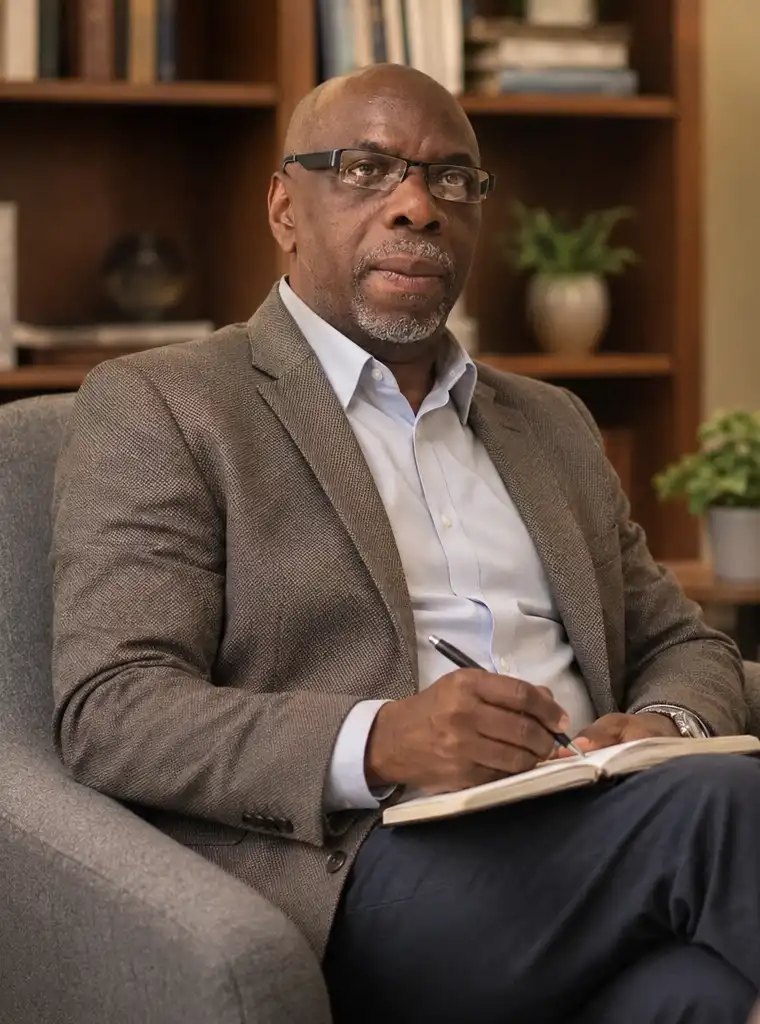
Clive Brown
About Your Therapist, Clive Brown
I’m Clive Eaton Brown, and I’ve worked in bereavement care and counselling for 11 years, with a focus on grief and loss. I trained to understand the theory of bereavement, but also what it feels like to sit with someone who’s hurting. My approach is calm, direct, and built on trust, not scripts. Beyond bereavement, my practice also offers broader mental health therapy services in London for related support. So, you will find real human support that will support you in processing your loss at your own pace.
Ready to Talk? Reach Out Today
Send a message or fill out the form below, and I’ll get back to you soon.