
Specialised Trauma Therapy in London
Something happened, and it’s still running the show. Trauma counselling in London helps you understand why, take back control, and move through your day without it holding you back.
What Is Trauma Therapy?
Trauma isn’t only about disasters or violence. It can come from a hard childhood, a toxic relationship, a bad diagnosis, or years of feeling unseen at work. If something still shapes how you think, feel, or trust people today, it counts. Trauma therapy in London helps you understand why, then helps you heal for good using a trauma-based therapy approach built around your story.
- Childhood neglect
- Toxic relationships
- Workplace bullying
- Medical trauma
- Sudden loss
- Chronic stress
- Emotional abuse
- Accidents and injuries
- Betrayal and infidelity
- Birth trauma

Trauma and PTSD - What Is the Difference?
Not everyone who experiences trauma will develop PTSD symptoms later.
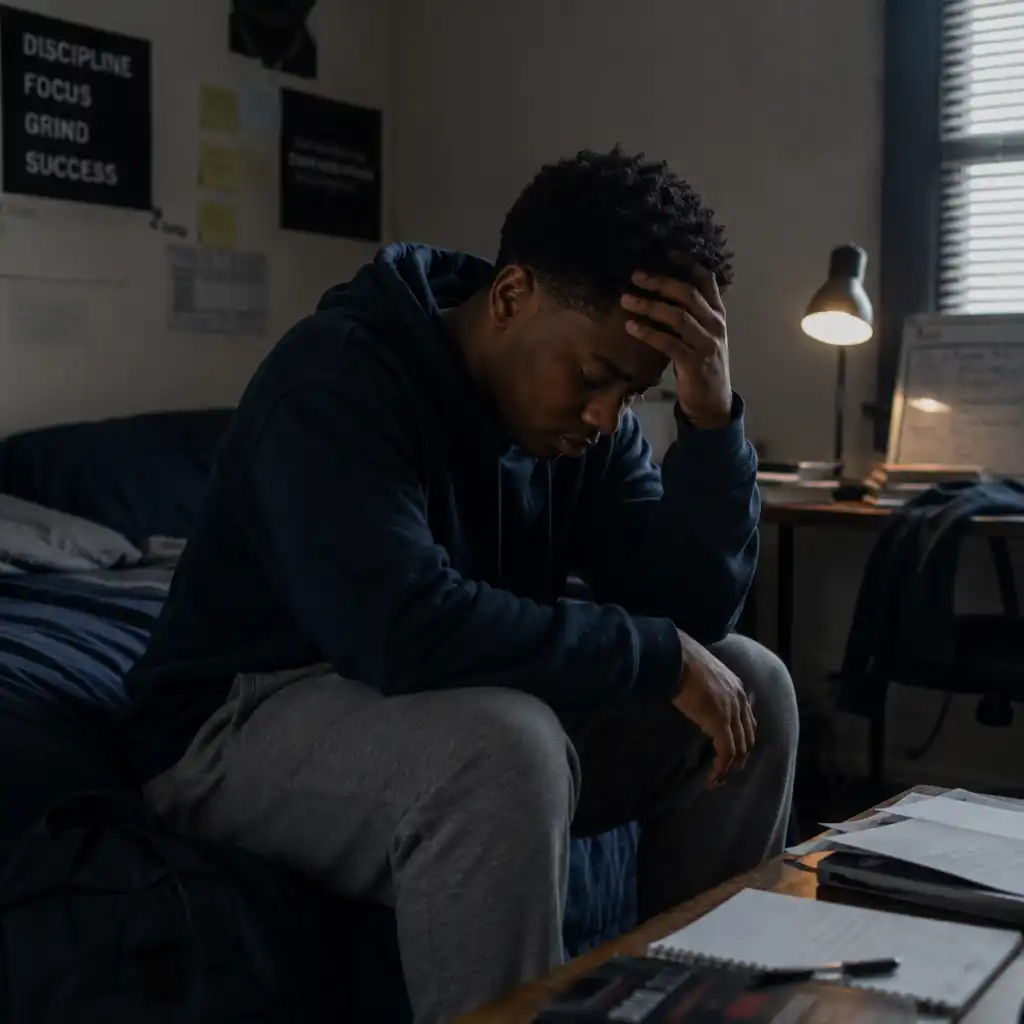
Trauma is what happened to you. PTSD is a diagnosis that develops when your brain stays stuck in fight-or-flight long after the event has passed. Below are signs of trauma.
- Emotional avoidance
- Low self-worth
- Guilt or shame
- Trust struggles
- Emotional shutdown
- Constant irritability
- Sleep disruption
- Numbness or detachment
- Difficulty concentrating
- Overreacting to triggers
Whether you’re carrying old, unresolved trauma or living with diagnosed PTSD, trauma treatment in London should truly fit your own story, not a textbook. As part of a wider range of mental health services in London, I work with you to understand your specific symptoms, then build an approach that calms your nervous system and helps you feel like yourself again.
Trauma Therapy Approaches at Urise Counselling
Every person carries their trauma differently, so as a trauma-informed counsellor, I don’t rely on just one method for everyone. I draw from several proven approaches and match them to your history, your pace, and what actually helps you feel steady again.
Cognitive Behavioural Therapy (CBT)
CBT helps you spot the thought patterns that keep you stuck in fear or shame. We use practical exercises so you can change how you react to triggers.
EMDR (Eye Movement Desensitisation and Reprocessing)
EMDR is recommended by the NHS for PTSD and backed by strong evidence. It helps your brain reprocess distressing memories through guided eye movements, reducing their emotional grip.
Person-Centred Talk Therapy
Sometimes you just need space to talk without judgement. This approach follows your lead, letting you set the pace while I listen closely and reflect what I hear.
Integrative Trauma-Informed Approach
Most people need a mix, not a single method. I blend techniques based on your specific triggers, your history, and how your body and mind respond under stress.
How Trauma Shows Up In Daily Life
Trauma doesn’t stay in the past. It can quietly and consistently guide how you sleep, work, love, and cope every day, often in ways you don’t immediately connect to what happened years earlier in your life.
- Sleep disruption
- Relationship struggles
- Constant irritability
- Focus problems
- Overworking or burnout
- People-pleasing habits
- Panic in crowds
- Numbness or detachment
- Trust difficulties
- Physical tension
Hear to People I've Helped Heal
Honest words from clients who worked with me.
EXCELLENTTrustindex verifies that the original source of the review is Google. Thank you Clive for your support during a very difficult time in my life. You have helped to bring me comfort and clarity going forward.Posted on GoogleTrustindex verifies that the original source of the review is Google. I have completed 6 therapy sessions with Clive over a few months and highly recommend! Clive has shown empathy, understanding and a wealth of knowledge in the many topics spoken about. Clive has also been very flexible and accommodating with session dates and times. I would love to continue working with Clive as I have already learnt so much about myself. Thank you ClivePosted on GoogleTrustindex verifies that the original source of the review is Google. Meeting Clive has been one of the best experiences and one of the most important connections I have made so far in my 45 years . I have learnt so much from him as a mentor and now someone I call a friend . In my opinion he is a man of patience, intelligence and wisdom . Thank you Clive for all you have taught me 🙏Posted on GoogleTrustindex verifies that the original source of the review is Google. Great support, easy to talk to and very understanding. Highly recommend for anyone looking for solid guidance.Posted on GoogleTrustindex verifies that the original source of the review is Google. I’ve been doing counselling with Clive for 6 years now. His advice and guidance have been priceless to me. I appreciate Clive’s time, always available to advise and often at short notice. Clive is always able to put things into perspective, allowing my thought process in circumstances to become rationalised and calm. Thank you so much Clive for continuing to mentor me and always being there to help whenever I’m in need.Posted on GoogleTrustindex verifies that the original source of the review is Google. Professional caring counselling services in London. Clive is the best black male therapist I know.Posted on GoogleTrustindex verifies that the original source of the review is Google. Where do I even start, I started counselling about 2 years ago when I was going through a very troubling time. I didn't know where to go to find good christian counsellor and God lead me to Clive and I am forever grateful. Clive has impacted my families life more than words can ever express, he is truly blessed. Starting counselling with Clive was one of the best decision I could have ever made, and I would recommend him to all. No matter your age, gender or ethnicity Clive's ability to help guide and counsel you through any difficult time is unmatched. Thank you Clive!Posted on GoogleTrustindex verifies that the original source of the review is Google. I highly recommend Urise counseling service for their exceptional support in my journey of growth as a husband, father, brother and a son. Clive is compassionate, understanding, and provides invaluable guidance that has made a significant positive impact on my mental health. I'm truly grateful for his expertise and commitment to making a difference in people's lives.Posted on GoogleTrustindex verifies that the original source of the review is Google. My partner and I have been doing couples counselling with Clive for the past few months. He puts us at ease during sessions with patience and empathy, asking questions and using techniques to challenge our views and see things from each other's perspectives. He has been flexible with booking, which we often haven't found with previous counsellors. He has helped us both during a difficult time and we would highly recommend him as a counsellor!
What does trauma therapy involve?
Trauma therapy uses evidence-based methods, including EMDR and CBT, to help you process difficult experiences. Sessions focus on reducing symptoms, rebuilding your sense of safety, and developing healthier responses to triggers and difficult memories.
What are the 7 trauma responses?
The seven trauma responses are fight, flight, freeze, fawn, flop, attach, and dissociation. Each reflects how the nervous system reacts to perceived threat. Many people experience a combination, which can shift depending on the situation.
Where does trauma sit in your body?
Trauma is stored in the nervous system and felt physically, as chest tightness, shoulder tension, stomach discomfort, or persistent fatigue. The body often signals unresolved trauma long before the mind consciously recognises what is happening.
How do I know if I need trauma therapy?
If past experiences regularly affect your sleep, mood, relationships, or daily functioning, therapy can help. You do not need a formal diagnosis; if your history disrupts your present life consistently, that is reason enough to seek support.
Which trauma survivor is at the highest risk for developing PTSD?
Those who experienced prolonged or repeated trauma, such as childhood abuse or domestic violence, carry the highest risk. Limited social support, prior mental health difficulties, and the overall severity of trauma all significantly increase that likelihood.
What are the physical signs of unhealed trauma?
Common signs include chronic headaches, fatigue, digestive problems, muscle tension, and sleep disturbances. The body holds what the mind has not fully processed. Physical symptoms are frequently the earliest signal that something deeper needs attention.
What To Expect In Your First Trauma-Based Therapy Session
Your first session is a real conversation, not a clinical assessment. I ask about what brought you here and what you want from therapy. There’s no pressure to share more than you’re ready to. By the end, you’ll know exactly what working together looks like.


Clive Brown
Meet Clive Eaton Brown, FAccPH
I’m Clive Eaton Brown, FAccPH, and I’ve worked as a trauma therapist in London for the past eleven years. My approach draws on cognitive behavioural therapy and psychodrama. Still, really, it comes down to sitting with you, listening properly, and helping you find your way back to feeling like yourself again.
Ready To Start Feeling Like Yourself?
Reach out today, and I’ll personally get back to you within one working day, usually sooner.