
Abuse Recovery Counselling in London
Something happened to you that was never your fault. Whether it was physical, emotional, domestic, or childhood abuse, the effects don’t simply fade once the situation changes. They show up in your relationships, your sense of self, your sleep, and the quiet moments when you think you should feel fine by now but still don’t. Many survivors carry this for years without ever speaking about it to anyone.
That’s often what brings people here.
Abuse leaves a particular kind of damage. It doesn’t always look dramatic from the outside. It lives in how you respond to people who raise their voice, why certain situations make you shut down, and why trust feels dangerous even with people who’ve given you no reason to doubt them. It shapes the way you see yourself, sometimes so gradually that you didn’t even notice it happening.
Whatever you experienced, physical harm, emotional control, domestic abuse, childhood neglect, coercive behaviour, your response to it makes sense. And it can change.
The Signs That Abuse Is Still Affecting You
Many survivors spend years managing quietly, staying busy, staying strong, and telling themselves it wasn’t that bad. But abuse leaves a mark, no matter how long ago it happened or what form it took.
You might recognise some of these:
- Persistent anxiety, low mood, or emotional reactions that feel out of proportion
- Difficulty trusting people, even those who clearly care about you
- Replaying memories, feeling emotionally numb, or living in a constant state of alert
- Carrying guilt or shame, even though none of what happened was your fault
- Pulling back from relationships to protect yourself from being hurt again
These aren’t character flaws. They are natural responses to what you experienced. And it’s also worth knowing that what you’re feeling isn’t a sign that something is permanently broken. It’s a sign that what you went through would have affected anyone. Counselling for abuse survivors gives you the space to understand that distinction, and to build from it.
What Abuse Recovery Counselling Actually Involves
Counselling for abuse survivors in London isn’t about sitting in a room reliving every painful detail. It’s about making sense of what happened and changing the way it continues to affect your life today.
With Clive, you explore the emotions, beliefs, and patterns abuse has left behind. That might mean understanding why you react a certain way in specific situations, or why some relationships feel unsafe even when they shouldn’t. It might mean rebuilding a sense of identity that someone spent a long time undermining, or learning to trust your own perceptions again after years of gaslighting.
Each session is fully confidential and shaped entirely around you. Some clients notice a real shift within a few sessions. Others need more time to feel settled and safe enough to open up fully. Both are completely fine. There’s no fixed timeline, and no pressure to move faster than feels natural.
How Abuse Affects Your Mental Health
The connection between abuse and mental health is well established and very real. Survivors of domestic abuse, childhood trauma, and psychological control frequently experience anxiety, depression, and post-traumatic stress. Some develop complex PTSD, a condition that includes deep shame, difficulty regulating emotions, and persistent challenges in close relationships.
What makes it harder is that these effects often don’t announce themselves clearly. You might just feel flat, stuck, or disconnected, without immediately linking how you feel today to what happened years ago. The connection is often there, even when it isn’t obvious. Abuse recovery counselling helps you see it clearly, understand it fully, and address it in a way that actually moves things forward.
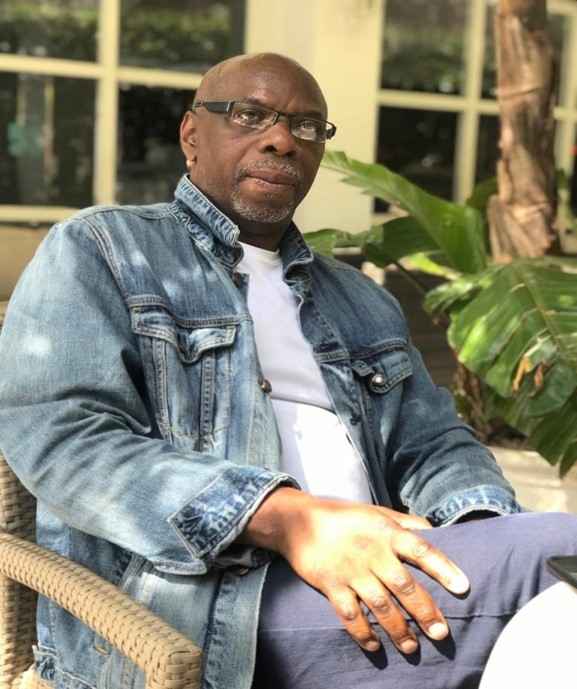
Meet Clive Brown
What to Expect From Your First Session
Your first session with Clive is simply a conversation. There’s no expectation that you’ll arrive with everything figured out or know exactly what you want to say. You can share as much or as little as feels right.
Clive will listen carefully, ask a few gentle questions, and help you begin to identify what you’d most like to work on. From there, you’ll shape the direction of your counselling together, based on your goals, your history, and what feels most important right now. Sessions are available in person and online, so you can access support in whichever format feels more comfortable.
Many people leave that first session feeling a quiet sense of relief, simply from speaking about something they’ve carried privately for a very long time. Others leave feeling unsettled, and that’s equally normal. What matters most is that you showed up.
Why Clients Across London Choose Urise Counselling
Clive Eaton Brown has spent 11 years working with adults navigating trauma, abuse, and the complex emotions that follow. He works with men and women from all walks of life and understands how abuse presents differently depending on a person’s background, culture, and circumstances.
What clients consistently find valuable about working with Clive:
- No judgment, ever. There’s no experience too complicated or too painful to bring to a session.
- Your pace, always. You won’t be pushed to talk about anything before you feel genuinely ready.
- Practical as well as emotional. Sessions help you build real, lasting tools to move forward, not just process what has already happened.
- Accessible support. Online and in-person sessions are available across London, and the wider UK, at times that work around your life.
There Is No "Right Time" - But This Could Be Yours
There’s no right moment to start counselling. You don’t need to be in crisis, and you don’t need proof that what you went through was serious enough to warrant support. Many of Clive’s clients waited years before reaching out, often unsure whether their experience “counted,” or assuming they should be over it by now.
There is no expiry date on pain. And there is no point at which reaching out becomes too late.
If something from your past is affecting how you live today, that’s reason enough. You’ve already taken one step by reading this. The next one is reaching out.
OTHER SERVICES
Request Consultation
ACCERDITATIONS



CUSTOM LINKS
Frequently Asked Questions
How can counselling help victims of abuse and trauma?
Counselling gives you a confidential space to process your experiences, understand how they’re affecting you today, and rebuild confidence and trust. It helps break harmful patterns and equips you with practical tools to move your life forward.
What are the 4 cycles of emotional abuse?
The four cycles are tension building, the incident, reconciliation, and calm. They repeat and typically intensify over time, making it increasingly difficult for survivors to recognise the pattern or find the strength to seek help.
What are the signs of narcissistic abuse?
Signs include constant criticism, gaslighting, isolation from loved ones, feeling you’re never good enough, and walking on eggshells daily. Many survivors only clearly recognise narcissistic abuse after the relationship ends and they gain some distance.
What does emotional abuse look like in adults?
Emotional abuse includes dismissing your feelings, public humiliation, controlling your decisions, and making you doubt your own perception of reality. It leaves no visible marks but causes lasting damage to self-worth and mental health.
Can therapy help with emotional abuse recovery?
Yes. Therapy helps you process the impact of abuse, challenge distorted beliefs about yourself, rebuild self-esteem, and establish healthy boundaries. Many survivors find it genuinely life-changing, even when they begin years after the abuse ended.
What mental illness is caused by emotional abuse?
Emotional abuse is strongly linked to depression, anxiety, PTSD, and complex PTSD. Some survivors also develop attachment difficulties or persistent low self-worth, particularly when the abuse began in childhood or continued over many years.
What happens to the brain after years of emotional abuse?
Prolonged emotional abuse affects how your brain processes stress, heightens anxiety responses, disrupts memory, and makes emotional regulation harder. These are real neurological changes, and with the right therapeutic support, many of them can improve significantly.
Clive made me feel genuinely safe from our very first session. For the first time in years, I could speak honestly without fear of judgment. I finally feel like myself again.
Rebecca Hartman
You can book an online or in-person appointment at a time and date that suits you best.